
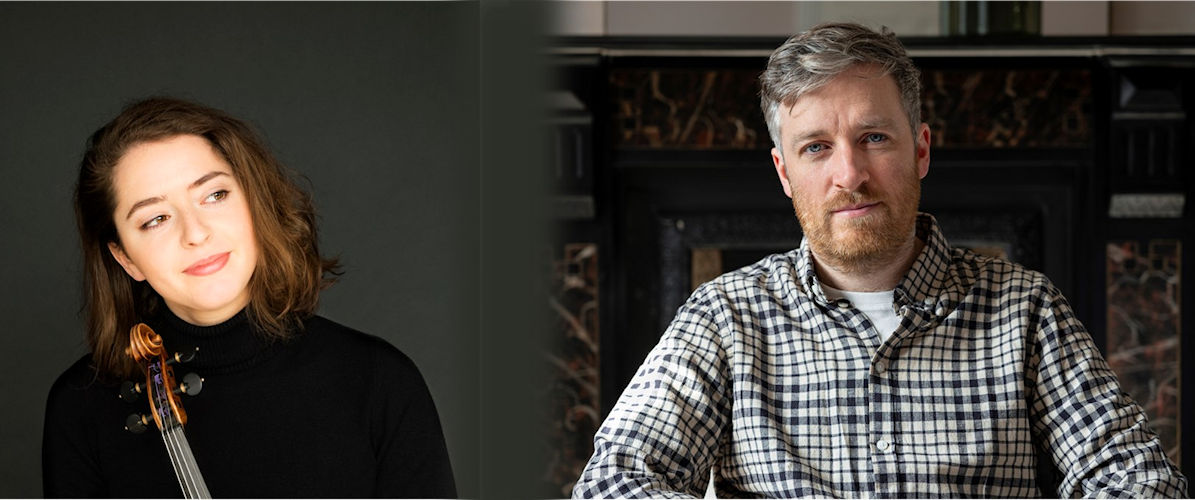
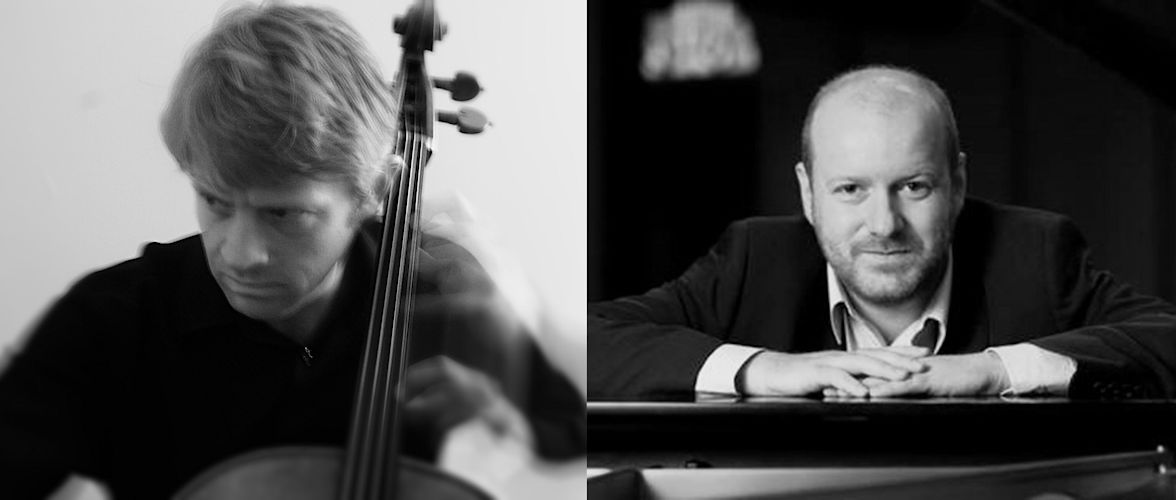




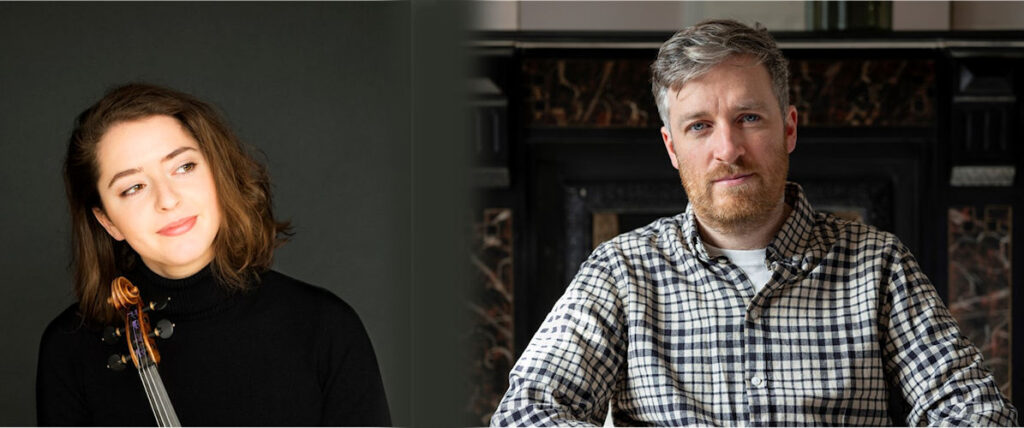
Mathilde Milwidsky violin Richard Uttley piano
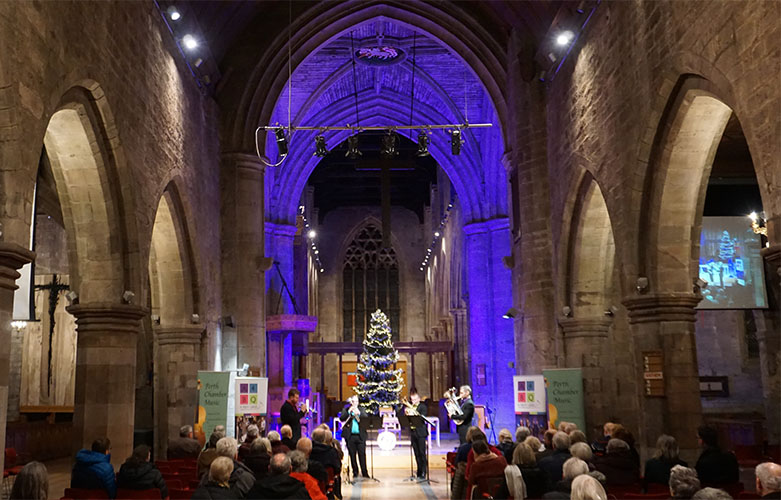
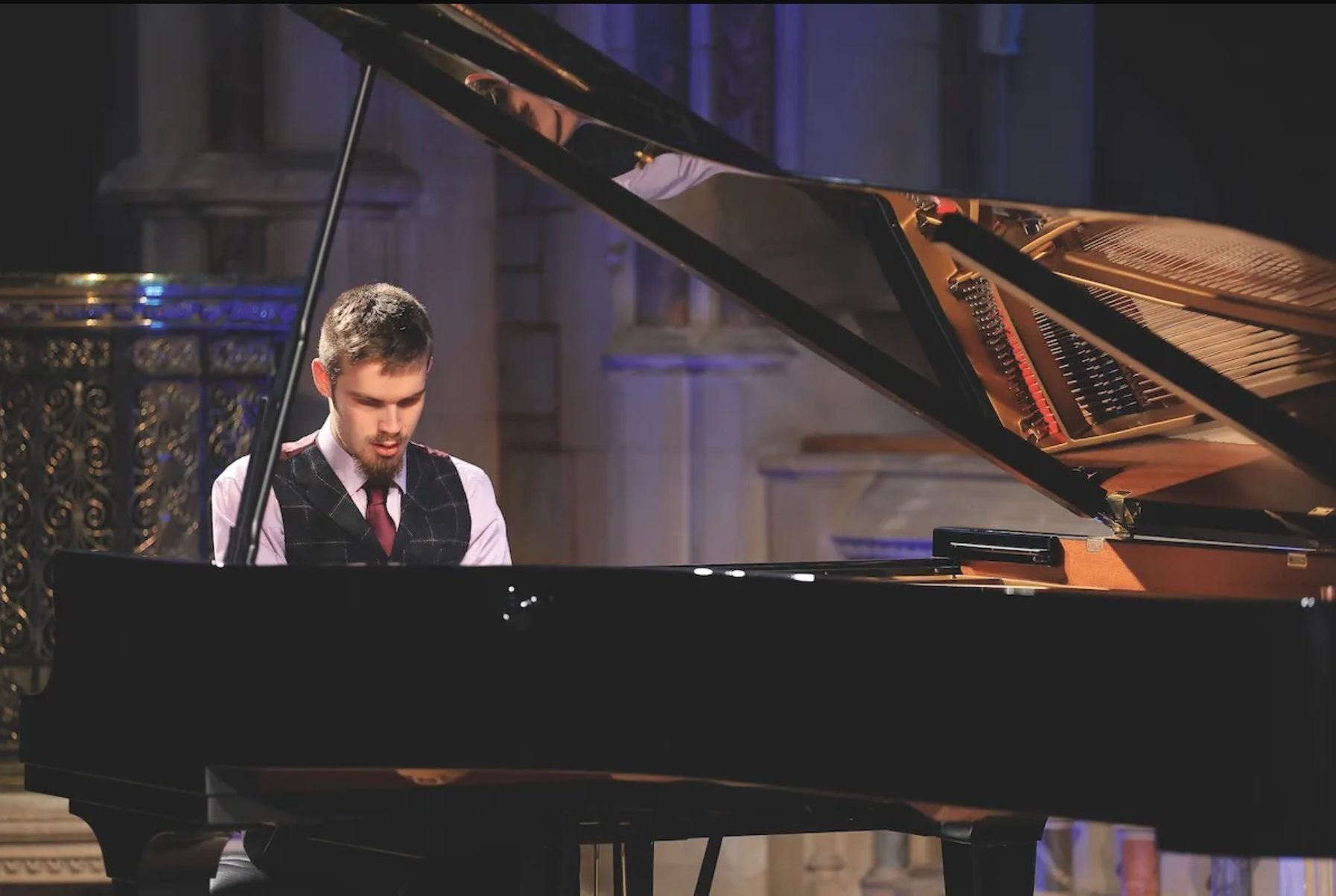
Perth Chamber Music’s 2025-2026 season in St.John’s Kirk got off to the most fabulous start with violinist Mathilde Milwidsky and pianist Richard Uttley – both stylishly absolute masters in their programme which ranged over 300 years.
Mozart was obviously having fun in his Violin Sonta in A Major K305 and this was brought out, with a touch of drama at the development then the gentle and refined Theme and Variations.
Nicos Skalkottas’ Violin Sonatina No.2 had a first movement inspired by Greek folk-tunes. Its Andante, with muted violin, had intense double-stopping and a musing piano. Allegro vivace was the lively moto perpetuo Finale with episodes.
A real find was Grazyna Bacewicz’s Stained Glass Window: a fascinating approach to sound, it had a muted, sustained legato start with occasional shafts of glinting from the piano. Short, it impressed by its colour and refined lyricism.
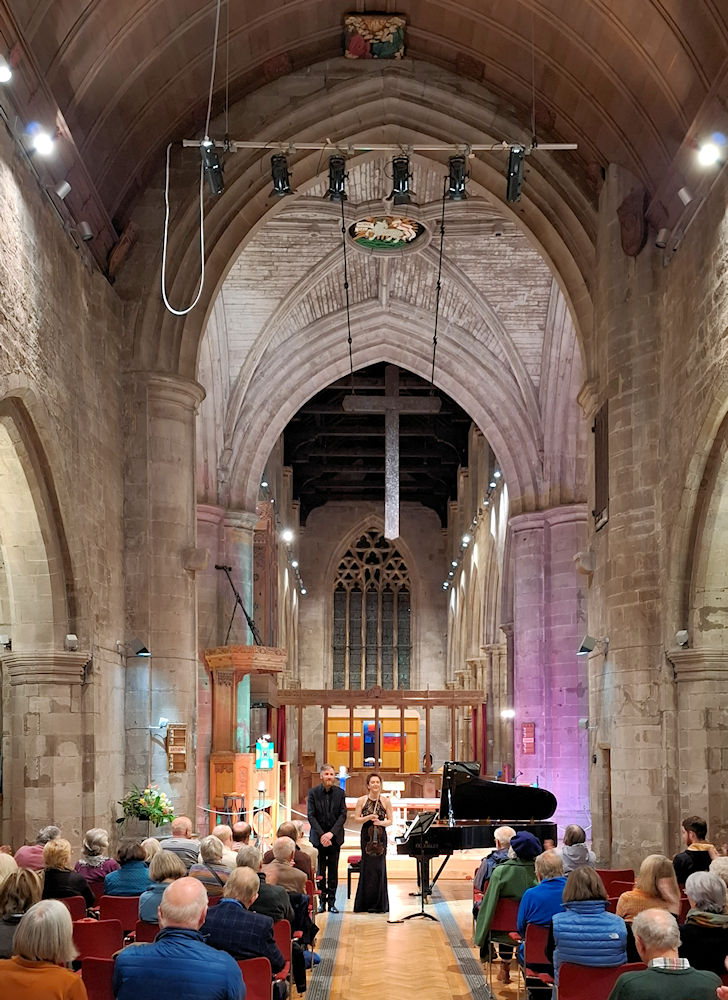
In Ravel’s Violin Sonata in G, after an innocent piano start, Mathilde Milwidsky came in with super tone. Her bowing technique spanned both fluent and highly articulated. In the Blues her pizzicati were fearless, sounding excellent in the St John’s acoustic. Richard Uttley’s piano was alive to Ravel’s humour and sarcasm. The Perpetuum mobile was all its title promised in the way of breathakingly brilliant playing.
Heinrich Biber’s tour de force Passacaglia for solo violin began the second half. His incredible inventiveness based upon just four notes was served by sovereign technique in fingers and bowing.
Richard Uttley rejoined for the violent start to Lutoslawski’s Subito contasting hectic and calm in a roller-coaster of fireworks.
Magnificent was the musicality of Brahms’ Third Violin Sonata. Warmth and drama fitted both like a glove, satisfyingly truthful in melody and shape. The Adagio had lyrical warmth, peerless double-stopping, a musing centre, then an intensified return. The third movement was intriguing, appearing almost light, then shockingly powerful, and off impetuously into the swashbuckling Hungarian-inspired Finale: Mathilde Milwidsky fiery, Richard Uttley in Brahms’ powerful piano writing.
Adding to their excellence and variety, the most vivid and varied performance of Bartok’s Rumanian Folk Dances was the substantial encore.
Ian Stuart Hunter