
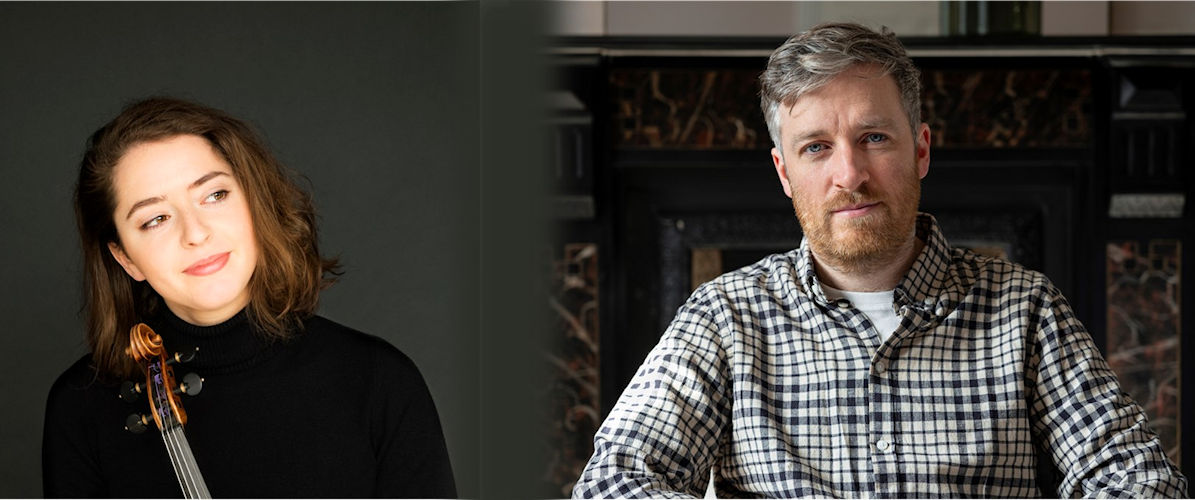

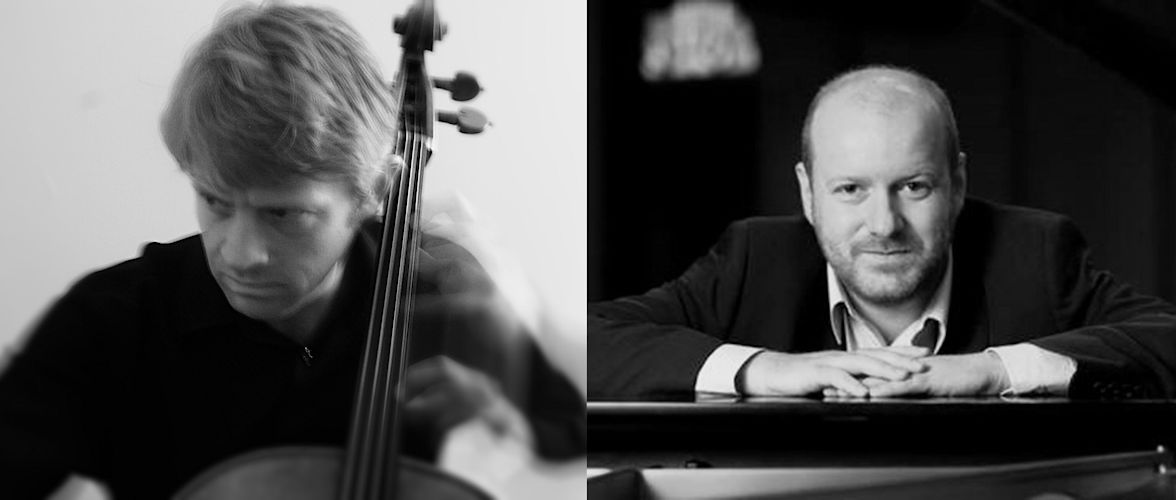




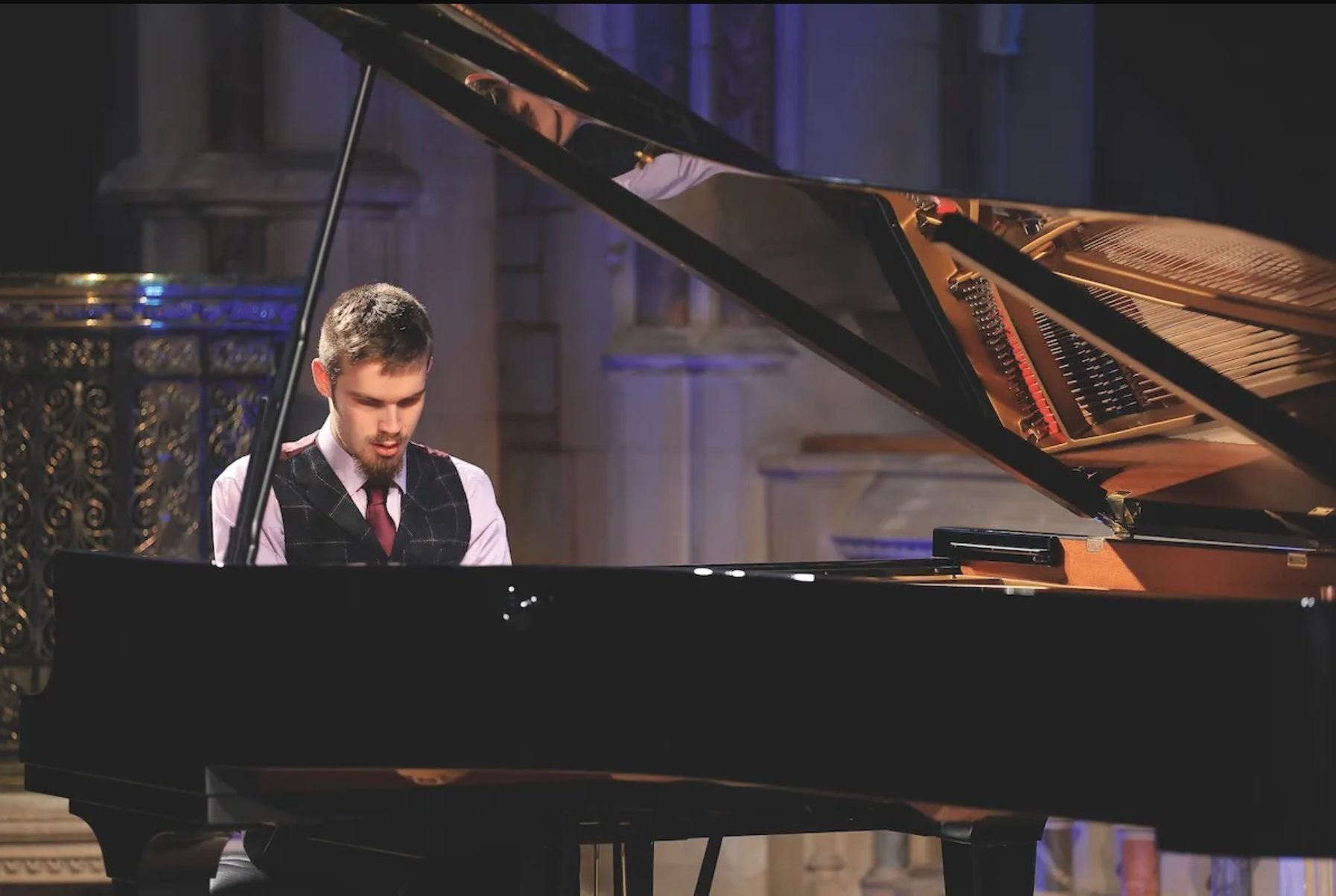


Perth Chamber Music’s third concert of the season was given in St.John’s Kirk by Armand Djikoloum, the distinguished Oboist and Classic FM Rising Star, and pianist Iyad Sughayer, who has already appeared at Perth Concert Hall.
Their wide-ranging recital began with Hindemith’s Sonata of 1938, its two movements given the tempo indications of Cheerfully and Slowly, then Lively. Both artists brought out its lyricism and jazz influences.

A song transcription, Lili Boulanger’s Nocturne, was limpidly played. To be followed by Marina Dranishnikova’s Poème, portraying Romantically, then agitatedly and lastly lamentingly her ill-starred love affair.
The excellent partnership brought the first half to a close with an evocative performance of Saint-Saëns beautiful Oboe Sonata: a pastoral piping start leading to an unusually cast Allegretto and finally the fireworks and demanding breath control of an all to brief Molto allegro.
Armand Djikoloum began the second half solo with Pan and Bacchus: two contrasted movements from Britten’s Metamorphoses, first Pan playing on the reed pipe Syrinx, the second jollier and happier than Britten’s own description read. Iyad Sughayer rejoined for Britten’s Temporal Variations an important early work, linked with the composer’s anti-militarist views.
Alma Mahler’s song The Silent Town followed, its sombre start becoming more impassioned, ending with a dark version of hope. The most beautiful work of the evening followed: Schumann’s by turns wistfully longing, artlessly charming, then alternately questioning then hopeful; his Three Romances.
Ernest Chausson’s song The Humming-Bird moved from languid to loving to ecstatic. Eugène Bozza’s Fantaisie pastorale reminded of Canteloube’s Chants d’Auvergne, starting in the oboe’s sonorous lower register, rising and speeding up to a fast dance, the oboe pirouetting given great technical resource.
Recalled by applause, the pair gave an encore of Lensky’s Aria from Tchaikovsky’s Eugene Onegin. The famous tune was played with true sentiment, moving affectingly from past happiness to despair and resignation.
Ian Stuart-Hunter