

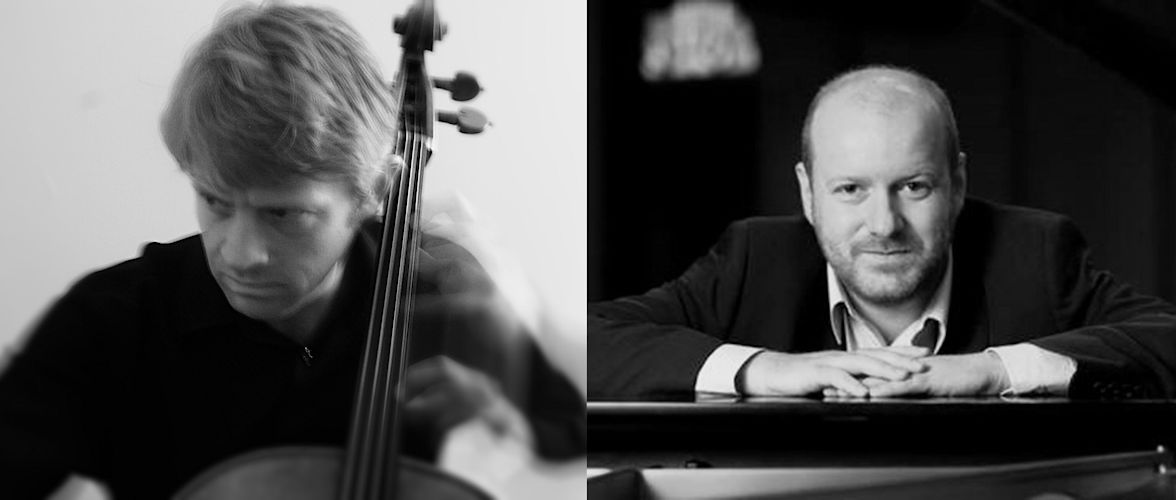





| Erdem Misirlioglu | piano |
| Pablo Hernan Benedi | violin |
| Edvard Pogossian | cello |
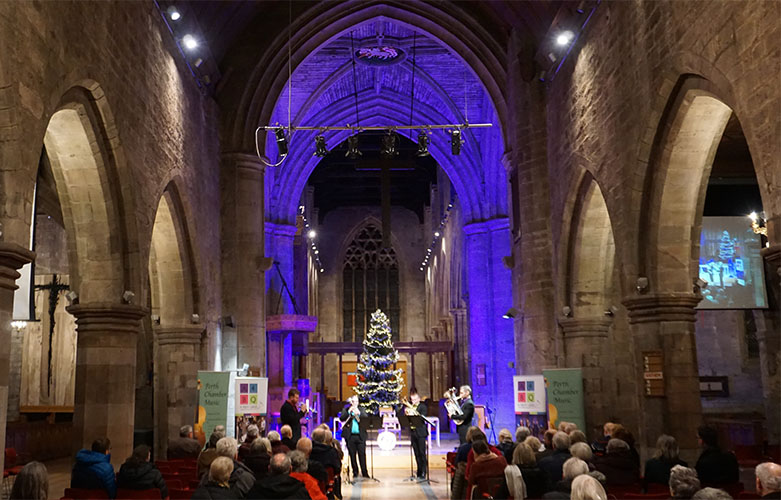
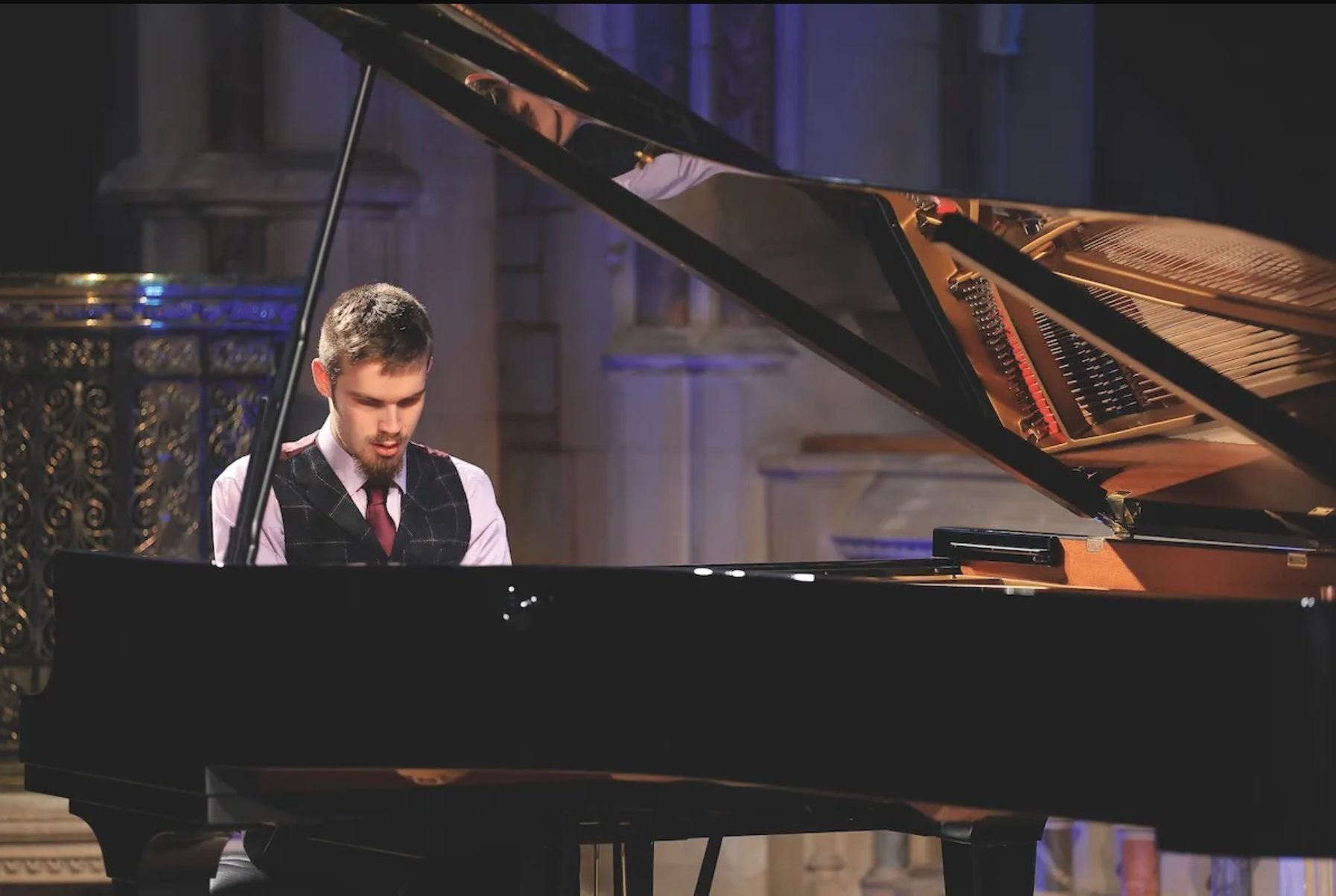
For Perth Chamber Music in St John’s Kirk, the Isimsiz Piano Trio gave a strong programme of Brahms and Schubert, including two pieces by the tragic Lili Boulanger.
Most notable about this Trio was their vivid playing: they plunged in dramatically and powerfully into Brahms Piano Trio Op.101. This soon melted into warmth for the second theme. Their impressive sound had musical feeling. The Presto was a complete change: light textures played with finesse, even more so in the Trio. Their Andante grazioso had a heart-on-sleeve lyricism, only brought up by Brahms emphatic end. The Finale was back in craggy mood, Brahms with bold, surging tunes. The climax in the piano was accompanied by furious double-stopping in the strings, before a final turn to radiant confidence.
Twin works by Lili Boulanger showed her skill – vastly different moods but using the same melodies. Atmospheric from its first bars, Of A Sad Evening had a high cello accompanied by solemn piano chords, before the violin plaintively joined. Rising and fading of full chords followed the anguished centre, then a mournful close of despair, slowing in the lower reaches of all three instruments. Of A Spring Morning had the same tune but bright in piano and violin, gaily tripping along. Of less brilliance was the songful centre before the inventive sonorities of the capricious end.
Schubert’s well-loved Piano Trio in B Flat D891 formed the second half. With the joy of music-making the Trio Isimsiz gave the expansive first movement a vigorous start. These three could be both ebullient and persuasive in their superb playing, helped by the silvery treble of the Kirk’s fine Brodmann piano. The lyrical cello gave a fine start to the Andante. Scoring highly on lyrical presentation, the violin and cello duetted most winningly. They were up also for the more Hungarian passion of the centre. They had a light-hearted way with Schubert’s Scherzo, smiles all round. The trio section had charm and amusing little hesitations. In the Finale, witty repartee, and on Schubert’s part some garrulousness, was given in good spirit through the dazzlingly varied episodes leading to the final explosive ending.
Ian Stuart Hunter